Flat 20% Off + Free Shipping
|
Rated 4.2 Out Of 5 Based On 5826 Reviews
|
Flat 20% Off + Free Shipping
|
Rated 4.2 Out Of 5 Based On 5826 Reviews
|

Oud vs Bakhoor: Which is Better for Daily Use in GCC?
In the GCC, fragrance is not just a grooming step—it is a complete lifestyle experience that reflects tradition, identity, and personal presence. From homes to social gatherings, scent plays a powerful role in shaping impressions and creating a lasting memory. The discussion around oud vs bakhoor has become increasingly popular as more people explore different ways to build a complete fragrance routine.
When analyzing oud vs bakhoor, it is important to understand that both are deeply rooted in Arabian culture but are designed for different purposes. Oud is primarily used as a personal fragrance that interacts with the skin and evolves over time, while bakhoor is used to create a scented environment and enhance clothing. This difference becomes clearer when we look at the broader comparison of bakhoor vs perfume, where oud represents personal scent identity and bakhoor represents environmental fragrance.
In GCC countries, fragrance is often layered rather than used in isolation. Understanding oud vs bakhoor allows individuals to combine both elements effectively, creating a rich and long-lasting scent experience that reflects both tradition and modern luxury.
What is Oud Perfume?
Oud perfume is derived from agarwood and is considered one of the most valuable ingredients in the fragrance world. Its scent is deep, woody, and complex, often evolving into a smooth and refined aroma as it settles on the skin. In the GCC, oud is widely used because of its strong projection and ability to last throughout the day.
When comparing oud vs bakhoor, oud stands out due to its role as a personal fragrance. It is applied directly to pulse points, allowing it to interact with body heat and develop gradually. This characteristic makes it central to the bakhoor vs perfume discussion, as it defines the core of personal scent.
A premium oud fragrance does not remain static—it transforms over time, offering multiple layers of scent. This makes it ideal for individuals who want a consistent yet evolving fragrance throughout the day. In daily use, oud provides both presence and sophistication, making it a preferred choice across the GCC.
We serve in Saudi Arabia with the best Dehn Al Oud Saudi Arabia and strong Hindi Oud crafted from authentic Agarwood, offering rich and long-lasting oriental fragrance.
SAUDI ARABIA
We serve in UAE, especially Dubai, with premium Hindi Oud Dubai and smooth Cambodian Oud perfumes made from high-quality Oud Oil for luxury fragrance lovers.
UAE
We serve in Qatar with elegant Cambodian Oud and refined Indonesian Oud blends crafted using authentic Agarwood for balanced oriental fragrance experience.
QATAR
We serve in Oman with deep Burmese Oud and traditional Dehn Al Oud perfumes derived from natural Aquilaria tree resin for long-lasting scent.
OMAN
We serve in Kuwait with bold Hindi Oud and premium Burmese Oud fragrance blends created from rich Oud Oil for strong and luxurious aroma.
KUWAIT
We serve in Bahrain with smooth Indonesian Oud and high-quality Cambodian Oud perfumes made from authentic Agarwood for elegant fragrance experience.
BAHRAIN
What is Bakhoor?
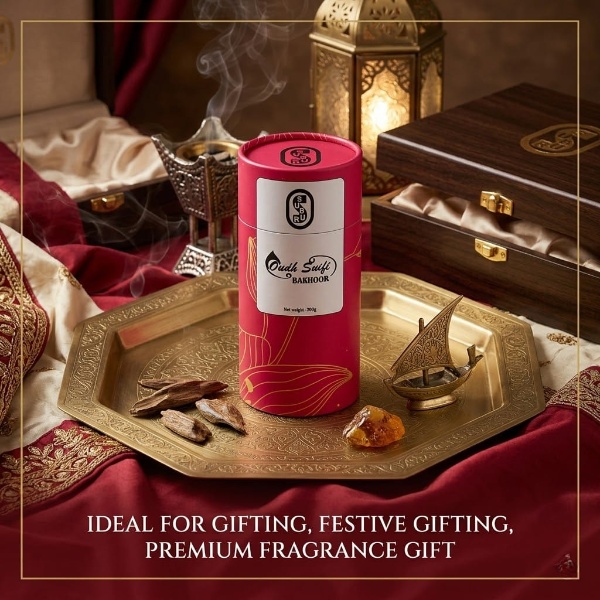
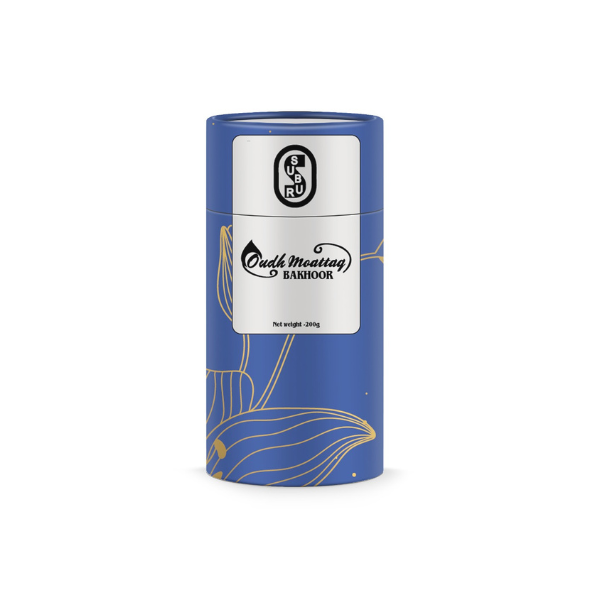
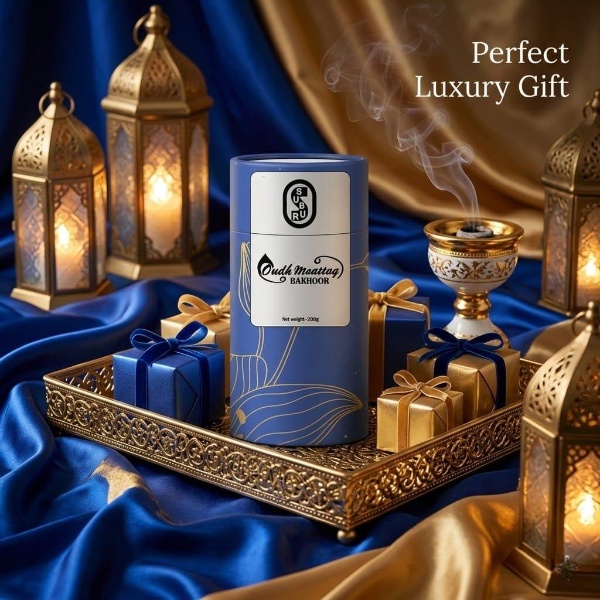
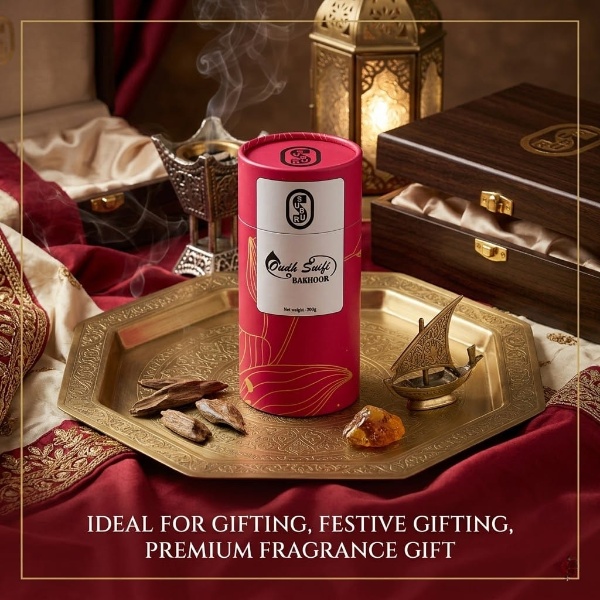
Bakhoor is a traditional incense created by soaking wood chips in fragrant oils and blending them with aromatic ingredients. It is burned to release scented smoke that fills the air and settles onto fabrics, creating a warm and inviting environment.
In the comparison of oud vs bakhoor, bakhoor serves a complementary role rather than a competing one. It is widely used in homes, majlis, and gatherings, making it an essential part of home fragrance GCC culture. Bakhoor is often used before guests arrive or before getting ready, ensuring that both the environment and clothing carry a pleasant scent.
When analyzing bakhoor vs perfume, bakhoor represents a broader sensory experience. It does not stay on the skin like perfume but creates an atmosphere that enhances overall fragrance perception. This makes it a key element in traditional fragrance rituals across the GCC.
Key Differences Between Oud vs Bakhoor
The comparison of oud vs bakhoor becomes clearer when we examine their purpose, application, and overall fragrance experience in detail. Oud is designed for direct application on the body, while bakhoor is used indirectly to scent spaces and fabrics.
Oud is typically applied to pulse points, where body heat helps release and amplify the fragrance. This makes it a strong and reliable option in the bakhoor vs perfume comparison, especially for individuals who want a long-lasting personal scent.
Bakhoor, on the other hand, is used through burning, allowing the smoke to spread fragrance throughout a room. It is a key part of home fragrance GCC traditions, where creating a welcoming and luxurious atmosphere is highly valued. The scent of bakhoor lingers in the air and on clothing, providing a layered fragrance effect.
Another important difference in oud vs bakhoor is flexibility. Oud can be used anytime and anywhere, making it convenient for daily routines. Bakhoor requires preparation and is usually used at specific times, such as before leaving the house or during gatherings. Despite these differences, both are essential for a complete fragrance experience.
Which is Better for Daily Use in GCC?
When considering oud vs bakhoor for daily use, oud is generally the more practical option for personal fragrance. It is easy to apply, portable, and offers long-lasting performance, making it suitable for work, travel, and social interactions.
However, bakhoor should not be seen as less important. In the bakhoor vs perfume comparison, bakhoor enhances the overall fragrance experience by preparing the environment and clothing. Using bakhoor before applying oud creates a stronger and more refined scent profile.
In home fragrance GCC routines, combining both is the most common approach. This method ensures that fragrance is present not only on the body but also in the surrounding environment, creating a more immersive experience.
When Should You Use Oud?
Oud is ideal for situations where personal fragrance plays a key role. In the context of oud vs bakhoor, oud is the preferred choice for daily wear, professional settings, and social occasions.
Its ability to last for hours makes it reliable for long days, while its evolving scent ensures that it remains interesting and dynamic. In the bakhoor vs perfume comparison, oud represents convenience, consistency, and personal identity.
Using oud regularly helps establish a signature scent, which is an important aspect of personal style in the GCC.
When Should You Use Bakhoor?
Bakhoor is best used in environments where atmosphere and ambiance are important. It is widely used in home fragrance GCC practices to create a welcoming and luxurious setting.
When comparing oud vs bakhoor, bakhoor is ideal for preparing clothes and enhancing surroundings before stepping out. In the bakhoor vs perfume discussion, it complements perfume by adding depth and richness to the overall fragrance experience.
It is also commonly used during gatherings and special occasions, where scent plays a role in hospitality and presentation.
Why Combining Oud and Bakhoor Creates a Premium Experience
Instead of choosing between oud vs bakhoor, the most effective approach is to combine both. This method reflects traditional GCC fragrance practices, where layering scents is a common technique.
In the bakhoor vs perfume comparison, combining both allows you to enjoy the benefits of each. Bakhoor prepares the base by scenting the environment and clothing, while oud provides a strong and long-lasting personal fragrance.
This layered approach enhances the overall experience and creates a more memorable scent profile. It is a key part of home fragrance GCC culture and is widely used by fragrance enthusiasts who value depth and sophistication.
Conclusion
The comparison of oud vs bakhoor highlights the importance of understanding how each element contributes to a complete fragrance routine. Oud is ideal for personal use, offering long-lasting performance and convenience, while bakhoor enhances the environment and adds depth to clothing.
Understanding bakhoor vs perfume helps create a balanced approach where both personal and environmental fragrance work together. In home fragrance GCC traditions, combining oud and bakhoor is the most effective way to achieve a luxurious and refined scent experience.
Rather than choosing one over the other, using both allows you to fully experience the richness of Arabian fragrance culture.